
Blog post
Equipment Financing Down Payments: What Determines the Amount?
There is no standard down payment for equipment financing. Depending on the funding partner and transaction, the required contribution may be zero, modest, substantial, or replaced by a lower approved amount.
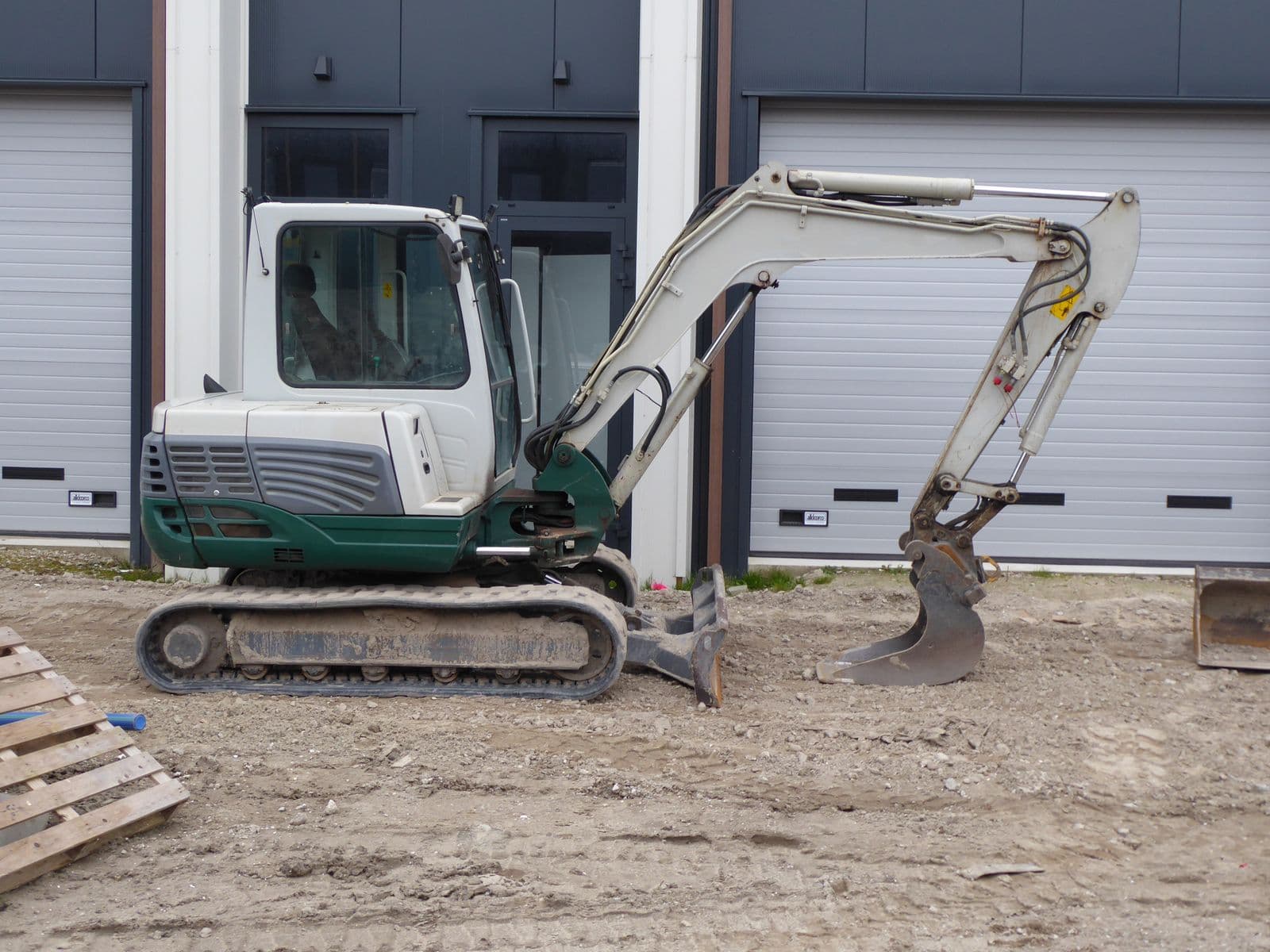
There is no standard down payment for equipment financing. Depending on the funding partner and transaction, the required contribution may be zero, modest, substantial, or replaced by a lower approved amount. The amount usually reflects the owner’s credit, the business’s history and cash flow, the equipment’s supportable value, the seller, and the requested term.
A quoted percentage without those facts is not a reliable estimate. The final structure is part of underwriting.
Key takeaways
- Down payment and loan-to-value are two sides of the same calculation.
- A larger contribution can reduce the payment and the funding partner’s exposure, but it does not cure every credit or collateral problem.
- Startups, challenged-credit files, older equipment, private sellers, and valuation gaps may require more cash.
- Preserve enough liquidity for insurance, freight, installation, repairs, payroll, and the first payment.
- Confirm whether taxes, delivery, attachments, and other soft costs are included in the financed amount.
What a down payment does
A down payment reduces the amount financed.
If equipment costs $100,000 and the approved financing is $85,000:
Purchase price:          $100,000
Approved amount:          $85,000
Required cash:            $15,000
Cash contribution:             15%
The same result can be expressed through loan-to-value:
Amount financed ÷ supportable value = LTV
$85,000 ÷ $100,000 = 85% LTV
A 15% contribution and an 85% LTV are the same structure when purchase price and supportable value are equal.
The calculation changes when the funding partner values the equipment below the seller’s price.
Why purchase price and equipment value may differ
A seller can ask $100,000 while the supportable value is only $90,000. If the funding partner will finance 85% of the $90,000 value:
Supportable value:        $90,000
Approved LTV:                  85%
Maximum financed amount:  $76,500
Seller price:             $100,000
Buyer cash required:       $23,500
The buyer’s contribution is now 23.5% of the purchase price, even though the funding partner used an 85% LTV.
This is why equipment appraisal and valuation matter. The funding decision is not necessarily based on the asking price.
The six factors that most often change the down payment
1. Personal and business credit
Stronger credit generally gives a funding partner more confidence in payment performance. Challenged or thin credit may require a larger contribution, stronger documentation, or a different structure.
The details matter beyond the score:
- Recent equipment delinquencies
- Repossessions
- Collections and charge-offs
- High revolving utilization
- Bankruptcies
- Judgments or tax liens
- Previous comparable payment history
A personal guarantee may also be required, especially for a closely held or new business.
2. Time in business
An established business can provide operating history, tax returns, bank activity, and prior payment evidence.
A startup may still qualify, but the funding partner has less historical information. The request may rely more heavily on:
- Owner credit
- Industry experience
- Contracts or purchase orders
- Cash contribution
- Equipment resale characteristics
- A lower transaction amount
The startup equipment financing guide explains this in more detail.
3. Equipment age, condition, and resale market
A common machine with clear valuation data and an active secondary market may support a stronger advance than specialized, damaged, or difficult-to-resell equipment.
Review may include:
- Model year
- Hours or usage
- Maintenance history
- Remaining useful life
- Condition
- Attachments
- Parts availability
- Market demand
- Price compared with recent sales
Older equipment is not automatically unfinanceable. It may support a shorter term, lower amount, inspection, or larger contribution.
4. Seller type
Dealer transactions often provide cleaner invoices, serial-number records, warranties, and payment instructions.
Private-party and auction transactions may require more verification:
- Seller identity
- Ownership history
- Bill of sale
- Serial number
- Existing lien payoff
- Inspection
- Payment deadline
- Buyer’s premium and taxes
A lower private-sale price can help, but weak ownership documentation can stop a transaction regardless of the proposed down payment.
5. Transaction size and requested term
A funding partner may have different approval processes and exposure limits by transaction size. The requested term must also make sense relative to the equipment’s remaining useful life.
A longer term can lower the monthly payment, but it can create more collateral risk if the equipment will be worn out before the obligation ends.
6. Cash flow and existing debt
The down payment cannot make an unaffordable payment affordable by itself.
Underwriters may review whether the remaining payment fits after:
- Payroll
- Rent
- Insurance
- Fuel
- Materials
- Maintenance
- Taxes
- Existing loan or lease payments
- Daily or weekly financing debits
A reduced approval amount may be more appropriate than using all available cash.
When zero-down financing may be available
Some programs may finance the full approved equipment amount for a strong borrower and clean transaction. That does not necessarily mean the business brings no cash to closing.
The buyer may still need to cover:
- First payment
- Documentation or filing charges
- Insurance premium
- Delivery
- Installation
- Taxes not included in financing
- Inspection or appraisal
- Equipment deposits already paid
“No down payment” should be clarified in writing. Ask exactly what is due before funding.
Why a bigger down payment is not always better
A larger contribution can:
- Lower the financed amount
- Reduce the monthly payment
- Close a valuation gap
- Improve the funding partner’s collateral position
- Demonstrate commitment to the purchase
It can also leave the business undercapitalized.
Heavy equipment may require immediate freight, fuel, repairs, attachments, or insurance. A startup may need payroll and working capital before the new asset produces revenue.
The safer question is:
How much can the business contribute while still retaining enough cash to operate after closing?
Example: comparing two structures
A contractor is buying an $80,000 used skid steer.
Option A: $8,000 down
Purchase price:           $80,000
Cash contribution:         $8,000
Amount financed:          $72,000
Option B: $20,000 down
Purchase price:           $80,000
Cash contribution:        $20,000
Amount financed:          $60,000
Option B lowers the amount financed by $12,000. But if it leaves the contractor with no repair reserve or payroll cushion, the lower payment may not create the safer business outcome.
Compare the full operating plan, not only the financing approval.
Questions to ask before agreeing to the structure
- Is the percentage calculated from purchase price or appraised value?
- Which costs are included in the financed amount?
- What cash is due before documents are signed?
- Is the first payment due at signing or later?
- Does a larger down payment change the rate, term, or approval amount?
- Is the lien limited to the equipment or broader business assets?
- How is an early payoff calculated?
- What insurance and loss-payee language are required?
Next step
Before committing cash to a seller, confirm whether the equipment, seller, and proposed structure appear eligible.
Review equipment financing options with basic business information only.
Sources
Frequently asked questions
- Is 20% down always required?
- No. Some transactions may require less, more, or no stated down payment. The result depends on the full request.
- Can bad credit be offset with a large down payment?
- Sometimes a contribution helps, but it does not cure unresolved delinquencies, weak cash flow, unclear ownership, prohibited equipment, or a serious valuation problem.
- Can taxes and delivery be financed?
- They may be if itemized and acceptable to the funding partner. Provide the complete quote at the beginning.
- Does VeriFunding require a deposit to review a request?
- No. VeriFunding does not charge businesses a broker fee to submit an initial request.